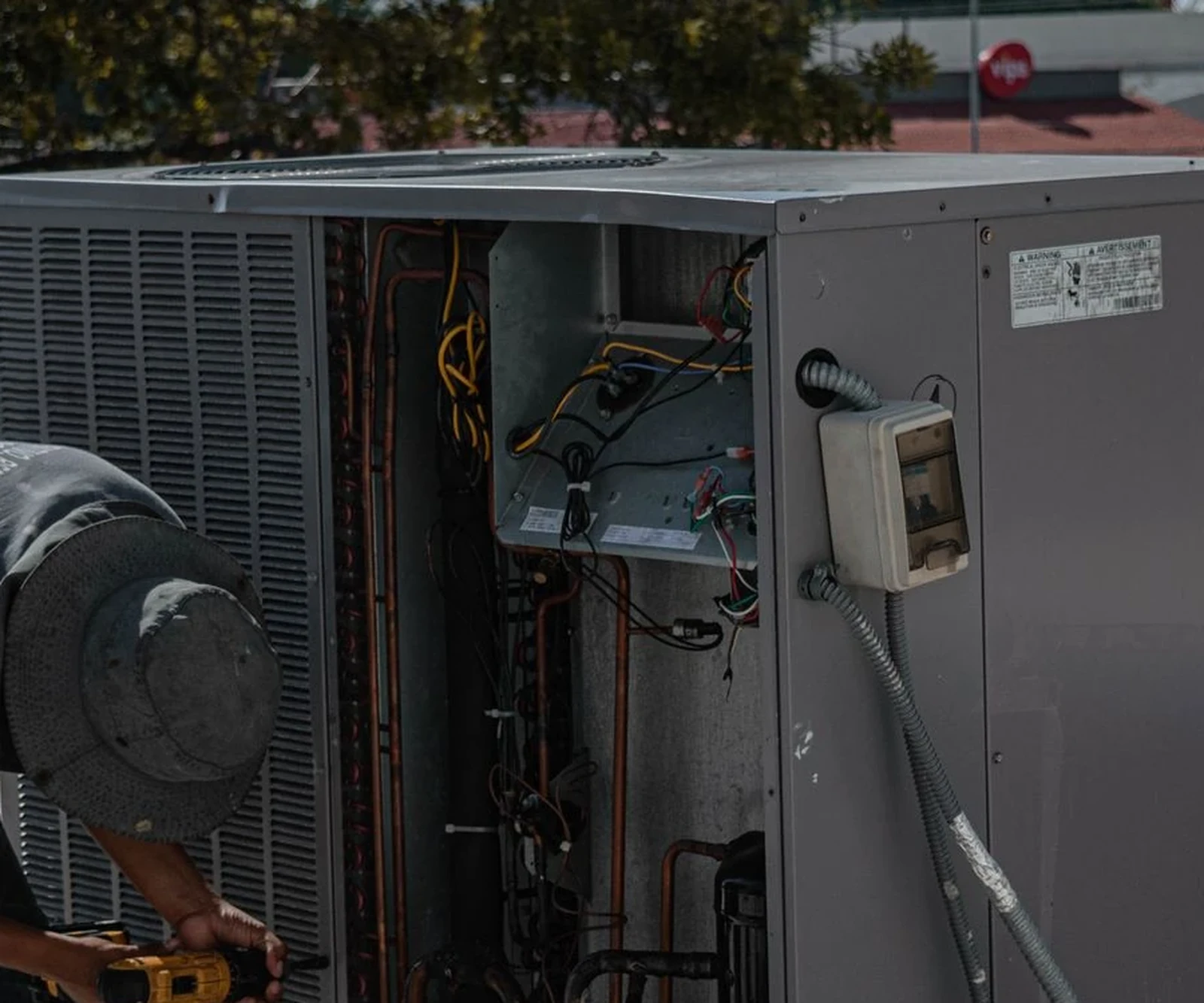
Does Your AC Need a Surge Protector?
Does Your AC Need a Surge Protector?
One bad storm can send a surge straight into your AC’s control board. Here is what surges actually destroy, and how to protect the most expensive appliance in your home.
📞 +1 (251) 205-8786A thunderstorm rolls in off the Gulf. The lights flicker twice, the power blinks off and back on — and somewhere in your outdoor unit, a control board just took a hit it may not survive.
Most people think of surge protection for TVs and computers. But your air conditioner is the most expensive electronic appliance in your home, it sits outside in Gulf Coast storm country, and modern systems are packed with circuit boards that hate unstable power. Mobile’s cooling season runs straight through thunderstorm season and into hurricane season — your AC faces surges all summer long.
Here is the honest picture: what power surges actually damage inside an AC, what the two kinds of protection do, and who in Mobile genuinely needs one.
Why Mobile Homes Get So Many Surges
A surge is a brief spike in voltage — sometimes a split second, sometimes longer. On the Gulf Coast, they come from everywhere:
- Lightning strikes nearby: not just direct hits. A strike on lines down the street can send a spike through the whole neighborhood.
- Power flickers and restorations: when the grid drops and comes back — common in summer storms — the returning power often arrives with a spike. This is the surge that kills most AC boards.
- Hurricane season: storms knock out power repeatedly over days. Every restoration is another roll of the dice for your electronics. If you have lived through AC trouble after a storm, our guide to an AC not working after a hurricane covers the recovery steps.
- Utility switching and grid load: the power company balancing a strained summer grid can send smaller spikes that wear electronics down over time.
What a Surge Kills First Inside Your AC
- The control board ($600–$1,200 to replace): your system’s brain is a circuit board, and circuit boards are the most surge-sensitive parts in the unit. This is the number one surge casualty we replace.
- The capacitor ($150–$300): capacitors help your motors start. Repeated small surges weaken them until one hot afternoon the system simply will not start.
- Compressor and motor electronics: modern compressors and blower motors run through electronic controls. A hard surge can damage a blower motor ($600–$1,000) — or reach the compressor itself, the most expensive part in the system.
One surge rarely announces itself. More often, the board dies during the storm, and you find out the next hot afternoon when the AC does nothing at all.
Will a surge protector stop a direct lightning strike?
No — and any company that tells you otherwise is selling you something. Nothing reasonably priced stops a direct strike on your home. What a surge protector does handle is the far more common threat: the spikes from nearby strikes, flickers, and power restorations that quietly destroy boards all summer long. Those everyday surges cause most of the storm-related AC damage we see, and they are exactly what protection is built for.
Whole-Home vs. Unit-Level Protection
Whole-home protection
Installed at your electrical panel, this guards everything in the house — AC, appliances, TVs, computers — against surges coming in from the street. It is the broad shield, and if your home has none at all, it is the natural first layer.
Unit-level protection
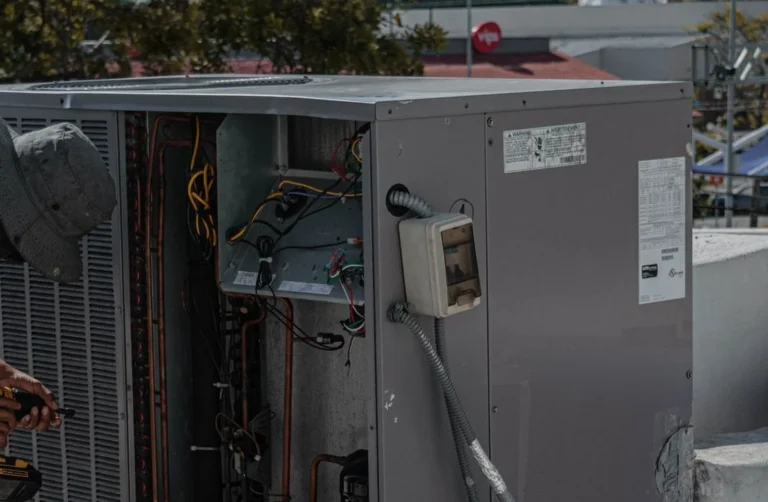
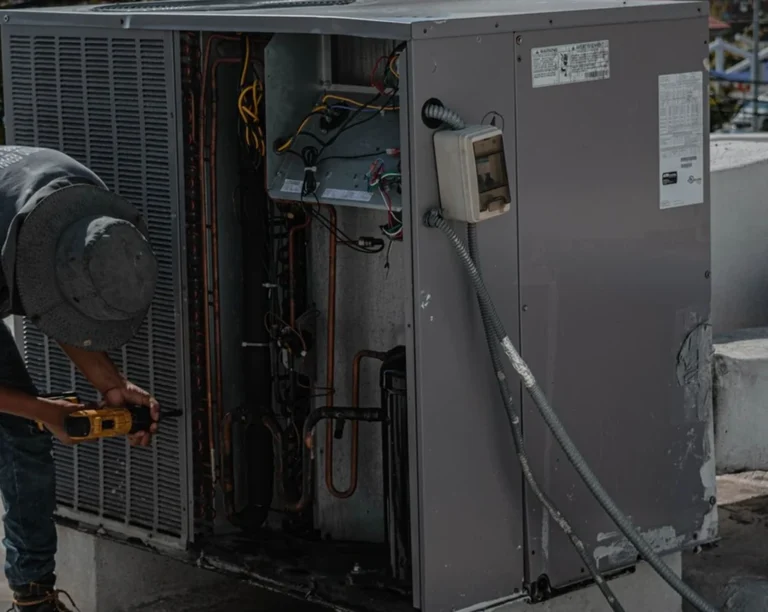
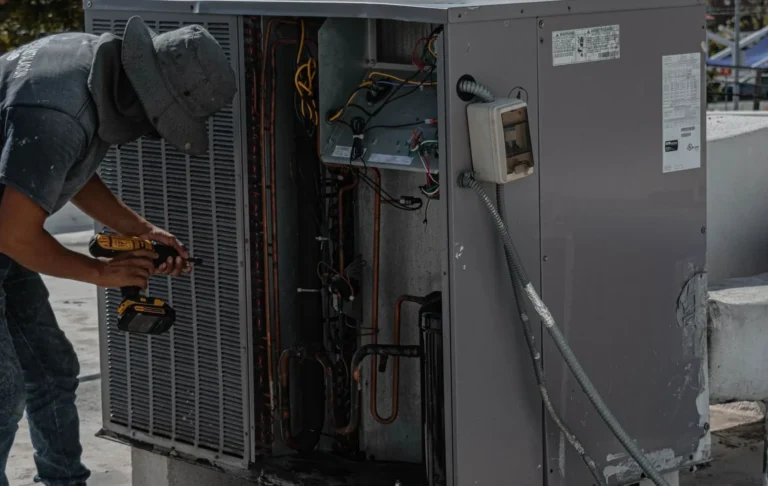
Installed at the AC’s own disconnect box outside, this guards just your HVAC system, right at the equipment. It catches spikes close to the unit and is the layer aimed squarely at protecting your boards and motors. Many Mobile homes with newer, electronics-heavy systems run both layers together.
What Does AC Surge Protection Cost?
Straight answer: it costs far less than the boards and motors it protects. Compare it to the damage column — a control board at $600–$1,200, a blower motor at $600–$1,000 — and the protection pays for itself the first time it eats a surge that your board would have eaten instead. We quote it flat, in writing, on the visit, sized to your system and panel, so you see the exact number before you decide. The full picture of what storm damage costs to fix is in our AC repair cost guide.
My lights just flicker sometimes. Is that really a surge?
Flickering lights are your home telling you the voltage is unstable — and every flicker during a storm or outage is exactly the kind of moment surges ride in on. One flicker rarely kills anything. The damage is cumulative: boards and capacitors absorb hit after hit, weaken, and fail weeks later on a calm, sunny day. That is why “it died for no reason” so often traces back to storm season.
Who Needs One Most
- Homes in storm-prone spots: if your lights flicker in every thunderstorm, your AC is absorbing those hits too.
- Older electrical panels: older panels offer less inherent protection, and the AC is usually the biggest load on them.
- Newer, high-efficiency systems: the more electronics and variable-speed motors your system has, the more there is for a surge to kill — and the more those parts cost.
- Anyone who lost an appliance to a storm before: if a surge has already taken something in your home, your AC is playing the same odds.
Frequently Asked Questions
What does a power surge damage in an AC?
The control board is the most common casualty, at $600-$1,200 to replace. Surges also weaken capacitors ($150-$300) and can damage blower motors ($600-$1,000) and compressor electronics. Damage is often cumulative — parts fail weeks after the storm.
Is a surge protector worth it for my AC?
For most Mobile homes, yes. Surge protection costs far less than the boards and motors it protects, and Gulf Coast storm season exposes your AC to surges all summer. It matters most for newer systems with more electronics and homes that see frequent flickers.
Does an AC surge protector protect against lightning?
Not against a direct strike — nothing reasonably priced does. It protects against the far more common surges: nearby strikes, power flickers, and the spike that often arrives when power is restored after an outage. Those cause most storm-related AC damage.
Where is an AC surge protector installed?
A unit-level protector mounts at the outdoor unit’s disconnect box, right at the equipment it guards. A whole-home protector installs at the electrical panel and shields every circuit in the house. Many homes use both layers.