Bad AC Capacitor? Symptoms & Cost in Mobile, AL
Bad AC Capacitor? Symptoms, Cost & What to Do (Mobile, AL)
Humming but will not start? The classic bad-capacitor symptom — signs, costs, and what to do next.
📞 +1 (251) 205-8786You walk outside. The AC is humming — but the fan is not spinning, and the house is getting warmer by the minute.
If that sounds familiar, you have probably got a bad capacitor. It is the single most common summer breakdown in Mobile, it announces itself with that unmistakable hum, and here is the good news: it is one of the cheapest professional repairs there is.
Let us talk straight about what it is, how to tell, what it costs, and why the pro price is not the $54 part price.
What an AC Capacitor Actually Does
Think of it as a tiny battery with one job: it stores up energy and fires a jolt to start your compressor and fan motors. Motors cannot start themselves — they need that kick. Capacitors are rated in microfarads (you will see numbers like 55/5 on the label — 55 for the compressor, 5 for the fan). When the rating drops too far below what is printed, the motor cannot start. Hum, no spin, no cooling.
Mobile’s heat is what kills them. Capacitors live in the outdoor unit’s electrical panel, baking in 90+ afternoons for an 8-month cooling season. Power surges during hurricane season (June–November) finish off the weak ones. Most last 5–10 years here — less than up north.
5 Symptoms of a Bad AC Capacitor
1. Humming sound, but nothing starts
The classic. You hear the unit trying — a low electrical hum — but the fan does not spin and the compressor does not kick on. Turn the system off at the thermostat and the breaker. Forcing a stalled motor can burn it out, turning a $200 fix into a $1,500 motor replacement.
2. The fan spins slowly or needs a “push” to start
If you have ever nudged a fan blade with a stick and it took off — that is a dying capacitor barely delivering enough jolt. (Do not make a habit of it. Really.)
3. The AC shuts off randomly or struggles on hot afternoons
A weak capacitor works when it is cool and quits when it is hot — exactly when you need it most. Intermittent failures are the hardest to catch and the reason “the last tech said nothing was wrong.”
4. Higher electric bills with no change in usage
A struggling motor draws more current to do the same work. If your Alabama Power bill jumped and nothing else changed, an aging capacitor is a suspect.
5. Visible swelling or leaking on the capacitor itself
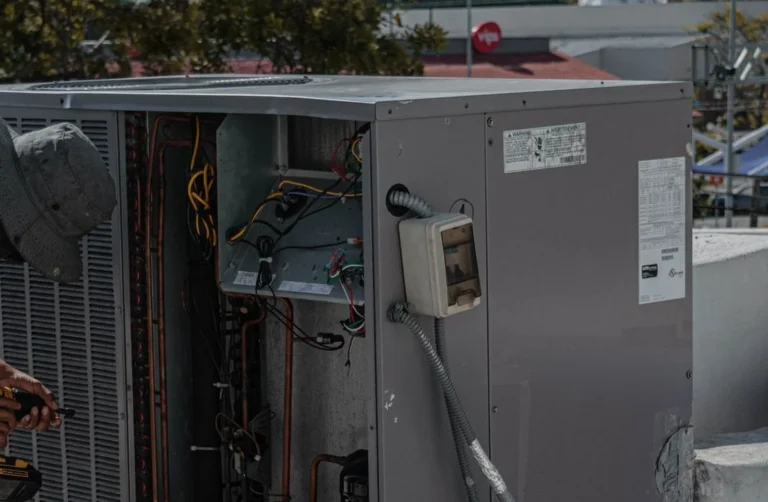
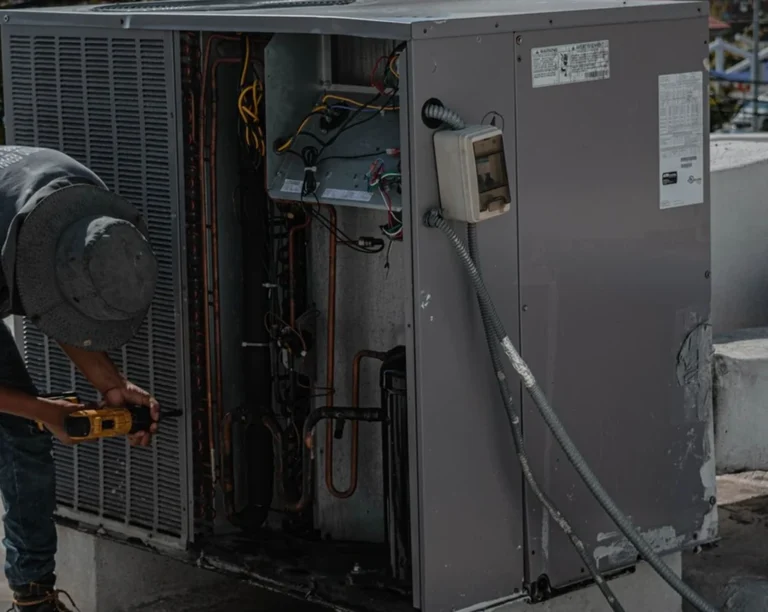
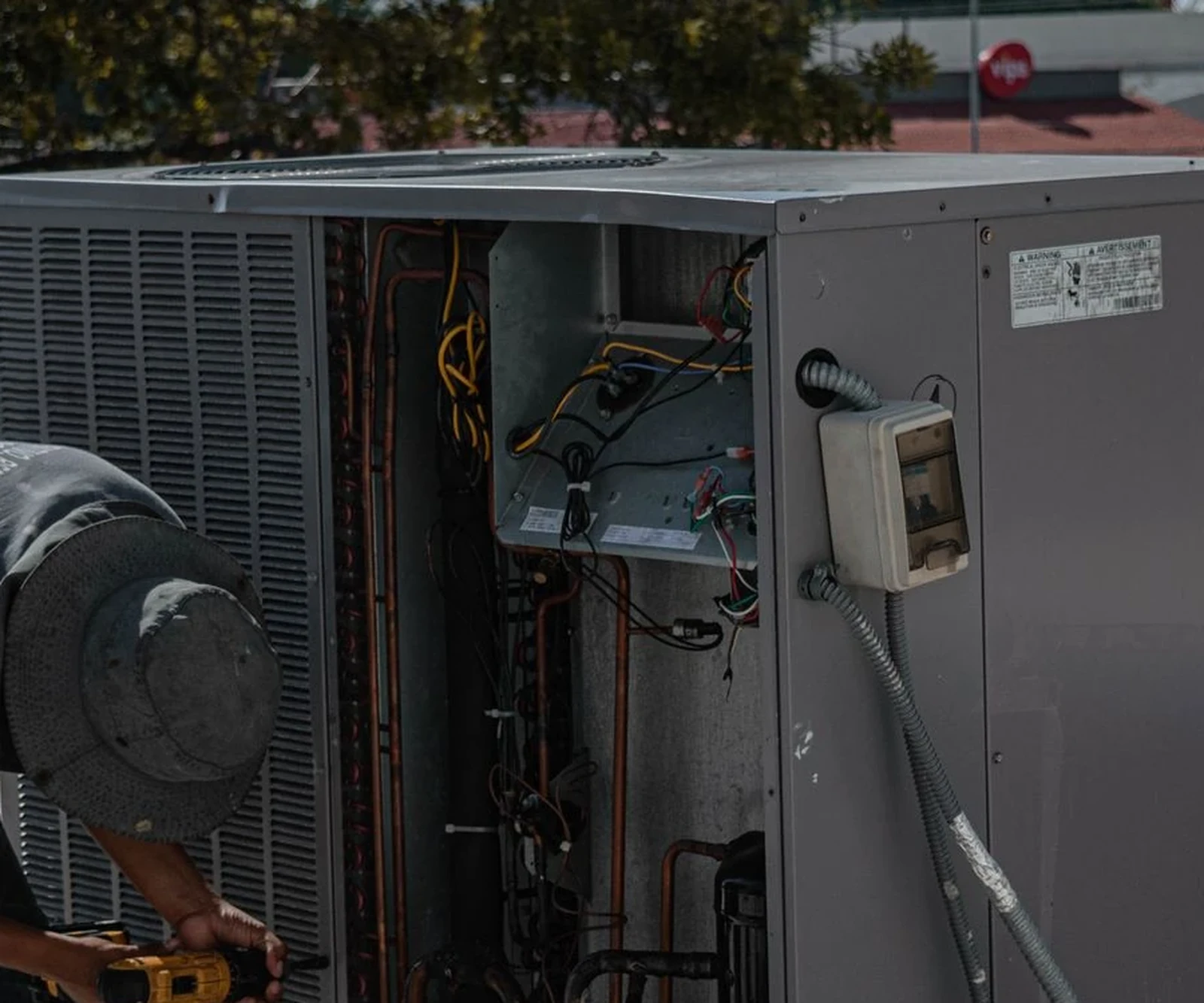
Techs look for a bulging top or oily residue around the capacitor’s base — the visual tell. You would need the panel open to see it (high voltage inside — leave that to us).
What Does It Cost to Replace an AC Capacitor in Mobile, AL?
The part: a universal dual-run capacitor runs about $54 online.
The professional job in Mobile: $150–$300, and here is exactly what that covers:
- Same-day diagnosis — we confirm it is actually the capacitor (not the motor, contactor, or wiring) with a multimeter reading, and we show you the reading
- The right part, on the truck — correct microfarad rating for your specific unit, not a close-enough guess
- Safe installation — capacitors hold a charge that can shock you even with power off; we discharge and handle them properly
- Full system check — we verify the motors the capacitor feeds are not damaged, so you are not back in a week
- Work warranty — ask us when you call for the details
Anyone quoting $400–$600 for a basic capacitor swap in Mobile is padding the bill. And anyone telling you a humming unit needs a whole new system? Get a second opinion — that is the oldest upsell in the book.
Can I Replace an AC Capacitor Myself?
Honest answer: it is physically simple — photograph the wiring, swap the part, done. Plenty of videos show it. But there are real reasons to think twice:
- Stored charge can shock you even with the breaker off. This is not a dead battery; mishandle it and it bites.
- Wrong microfarad rating damages motors over time. The label must match.
- Misdiagnosis is common. A humming unit can also be a seized motor or bad contactor. Replace the capacitor and the real problem is still there — now you are out $54 and a Saturday.
Our take: if you are comfortable and careful, it is your call. But for most folks, $150–$300 for a guaranteed same-day fix — with the actual problem confirmed — is money well spent.
How to Make Your Next Capacitor Last Longer
- Keep the outdoor unit clear and rinsed — heat is the enemy
- Get a surge protector on the outdoor disconnect — storm-country essential, and cheap
- Annual tune-ups catch weakening capacitors on a meter before they die on a 95° Saturday — see our AC maintenance page
Still guessing whether the hum is a capacitor? Read our full not-cooling guide or our AC repair page for how a diagnosis visit works.
Frequently Asked Questions
Why is my AC humming but not starting?
A humming outdoor unit with a still fan almost always means a failed start/run capacitor — the part that jolts the motors to life. Turn the system off so you do not burn out the motor, and call a technician. It is typically a same-day, under-an-hour fix.
How long does it take to replace an AC capacitor?
About 20–40 minutes once diagnosed. It is one of our fastest service calls.
Will a bad capacitor damage anything else?
Yes, if ignored. A stalled motor drawing locked-rotor current overheats — that is how a $200 capacitor becomes a $1,000+ motor or compressor job. Do not run it humming.
Do capacitors fail more in summer?
Absolutely. Heat degrades them, and Mobile’s long cooling season means more start cycles and more heat exposure than northern systems see.
What is the difference between a start capacitor and a run capacitor?
Start capacitors give a big brief jolt; run capacitors provide ongoing support. Most residential ACs use a dual-run capacitor doing both jobs (the 55/5 label). Your tech will match the right type.