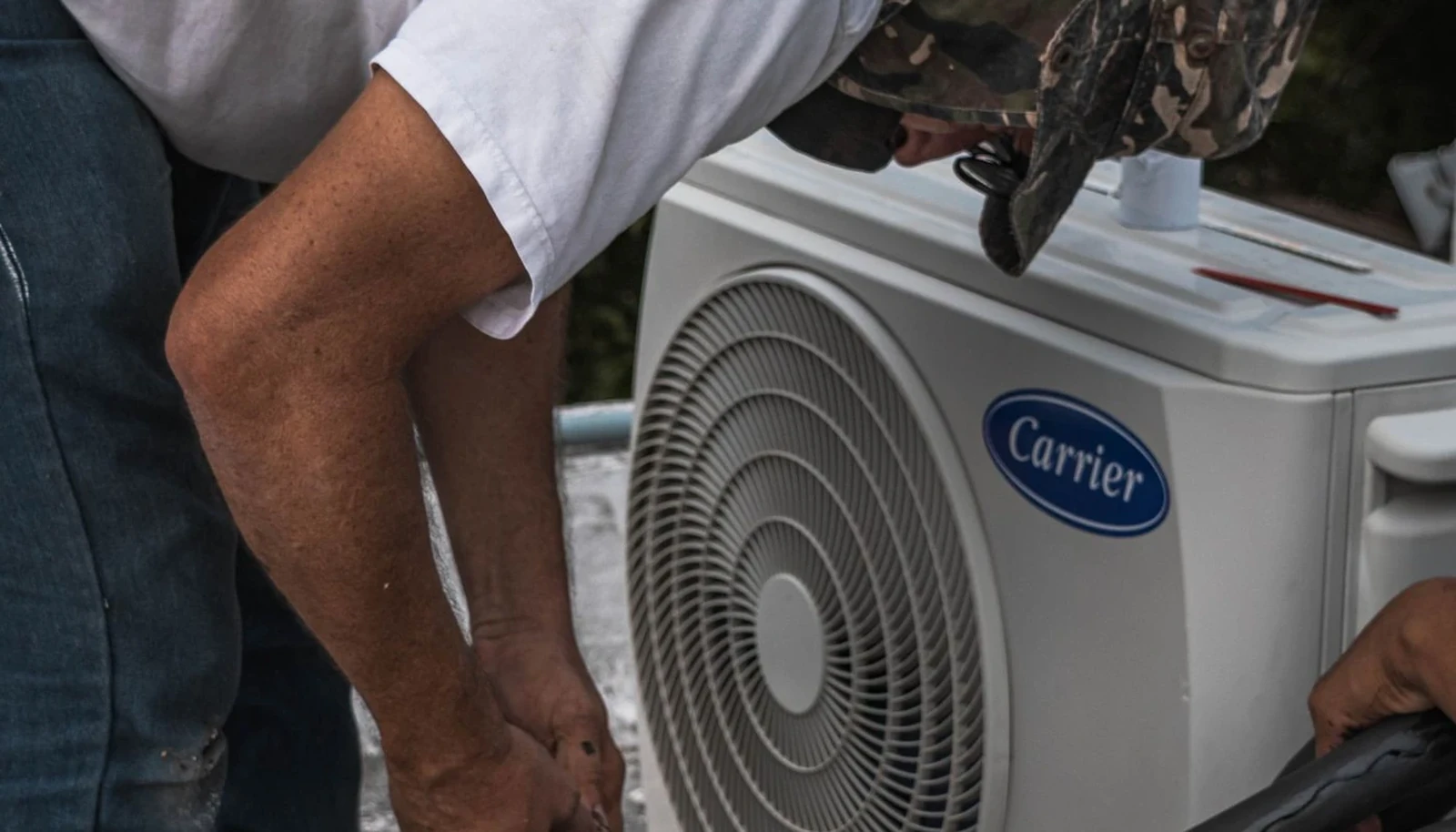
AC Compressor: Repair or Replace?
AC Compressor: Repair or Replace?
The compressor is the heart of your AC — and the most expensive part to lose. Here is how to tell if yours is failing, and how to make the repair-or-replace call with real numbers.
📞 +1 (251) 205-8786The technician delivers the sentence every homeowner dreads: “Your compressor is gone.” Now you are staring at the biggest single repair bill in air conditioning, wondering if you are about to throw good money at a dying system.
Take a breath. Sometimes a new compressor is exactly the right call. Sometimes it is money poured into a system that will eat another big repair next summer. And sometimes — more often than you would think — the compressor is not dead at all, and a cheap part is faking its death.
This guide walks through what the compressor does, the real signs of failure, and the honest math for Mobile homeowners: what a compressor replacement costs, what a full system costs, and how the age of your unit should drive the decision.
What the Compressor Actually Does
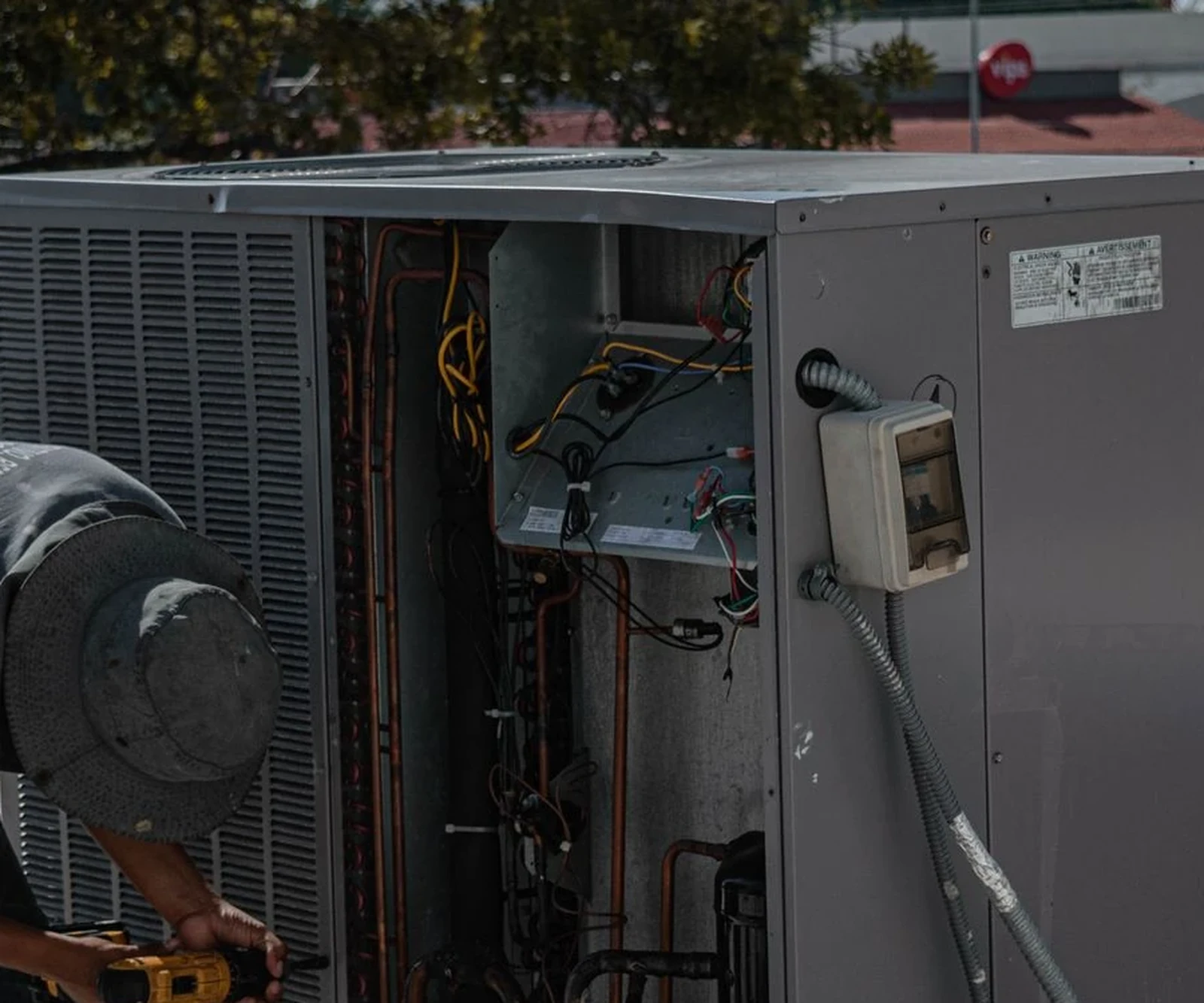
The compressor sits in your outdoor unit, and it is the pump that keeps refrigerant moving through the whole system. It squeezes refrigerant gas into a hot, high-pressure stream so the outdoor coil can dump your home’s heat outside, then sends the cooled refrigerant back indoors to absorb more heat. No compressor, no cycle — the fan may blow, but the air will not get cold.
It is also the hardest-working part in the system, which is why it is the most expensive. When it fails, you are not facing a small-parts repair. You are facing a decision.
Signs Your Compressor Is Failing
- Hard starting: the outdoor unit shudders, hesitates, or struggles for a few seconds before it gets going — a compressor wearing out (or, just as often, a weak capacitor; more on that below).
- Tripped breakers: the AC keeps tripping its breaker, especially right when the compressor tries to start. A failing compressor draws far more power than a healthy one.
- Loud clanking, banging, or grinding: compressors hum. When internal parts break loose, they make noises you can hear across the yard. Shut the system off — a compressor destroying itself can damage the rest of the system.
- Warm air with the outdoor fan running: the fan spins, air moves, but nothing cools. The pump at the center of it all is no longer pumping.
- The outdoor unit will not start at all: power is reaching the unit, the fan and contactor check out, and the compressor itself is silent.
Can a compressor be repaired instead of replaced?
Honestly? Almost never in the way people hope. A compressor is a sealed unit — the motor and pump live inside a welded steel shell. When the internals fail, the fix is replacing the whole compressor, not rebuilding it. But here is the important part: failed compressors get misdiagnosed. A dead capacitor ($150–$300) or a failed contactor ($150–$300) can make a healthy compressor look stone dead. That is why the first step is always a real diagnosis — ours runs $100–$200 — before anyone quotes you thousands.
The Honest Math: New Compressor vs. New System
Here are the real numbers in Mobile. Compressor replacement runs $1,500–$2,800+. A full system replacement runs $5,000–$12,000+. You can see the whole price table in our AC repair cost guide for Mobile. So when does each one win?
A compressor swap makes sense when:
- The system is young — under about 8 years old — and the rest of it is in good shape. You are fixing one failed part in a system with years of life left.
- The failure was a fluke, not a pattern: a single breakdown on an otherwise reliable system points to replacing the part, not the system.
- The system uses current refrigerant and matching parts are readily available.
It is money into a dying system when:
- The system is 12+ years old. You would be putting a $1,500–$2,800+ part into equipment that is near the end of its life — and the coil, blower, or board can fail next.
- It runs on R-22. R-22 is phased out and gets more expensive every year. Pairing a new compressor with an R-22 system means paying premium refrigerant prices for the life of the repair.
- Repairs keep coming. A compressor failure on top of other recent repairs is the system telling you something.
- The compressor died from an unfixed cause — like years of running low on refrigerant. A new compressor installed into the same conditions can die the same death.
One more factor only you can check: whether your compressor is still covered under any existing warranty. Terms vary a lot, so ask about warranty status when you call and get the answer in writing before work starts — it can change the math completely. Comparing a replacement quote? See what a modern system involves on our AC installation page.
Will a new compressor come with a warranty?
Usually some coverage applies, but the terms vary by manufacturer, part, and how the job is done — anyone who quotes you exact warranty terms without knowing your specific part is guessing. Ask when you call, and make sure whatever coverage applies to your job is written on your invoice before work begins. That is a fair question, and a straight company will answer it in writing without blinking.
Frequently Asked Questions
How much does it cost to replace an AC compressor?
Compressor replacement in Mobile runs $1,500-$2,800+ depending on the size of your system and the refrigerant it uses. A full system replacement runs $5,000-$12,000+, which is why the age of your system matters so much in this decision.
What are the signs of a bad AC compressor?
Hard starting, breakers that trip when the unit starts, loud clanking or grinding from the outdoor unit, and warm air while the outdoor fan runs are the classic signs. A diagnosis confirms it — cheap parts like capacitors can imitate a dead compressor.
Is it worth replacing a compressor on an old AC?
On a system under about 8 years old, usually yes. On a 12+ year old system — especially one running phased-out R-22 — a $1,500-$2,800+ compressor is often money into a dying system, and replacement usually wins the math.
Can a bad capacitor look like a bad compressor?
Yes, and it happens all the time. A weak or dead capacitor causes hard starting and stalled starts that look exactly like compressor failure. A capacitor costs $150-$300; a compressor costs $1,500-$2,800+. Always get a real diagnosis first.