Ductless Mini-Splits: A Mobile Homeowner’s Guide
Ductless Mini-Splits: A Mobile Homeowner’s Guide
One room is always hot, or your house never had ducts at all. A mini-split cools exactly where you need it — without tearing into a single wall.
📞 +1 (251) 205-8786Every house has one: the room the AC just never reaches. Or maybe your house was built before central air existed, and there are no ducts to reach with.
Ductless mini-splits were made for exactly these problems, and they are showing up all over Mobile — in historic Midtown homes, garage conversions, and new additions. This guide covers what they are, where they shine, where they do not, and what they honestly cost, so you can judge for yourself before anyone gives you a sales pitch.
What Is a Ductless Mini-Split?
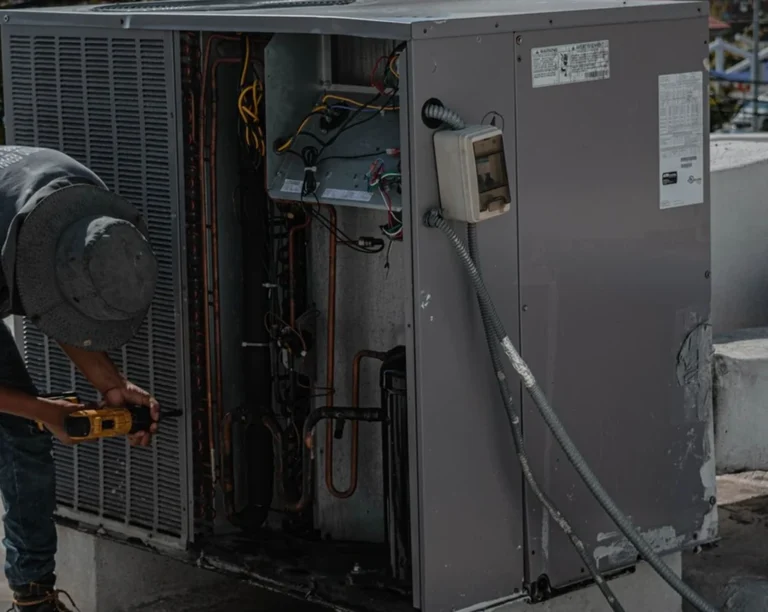
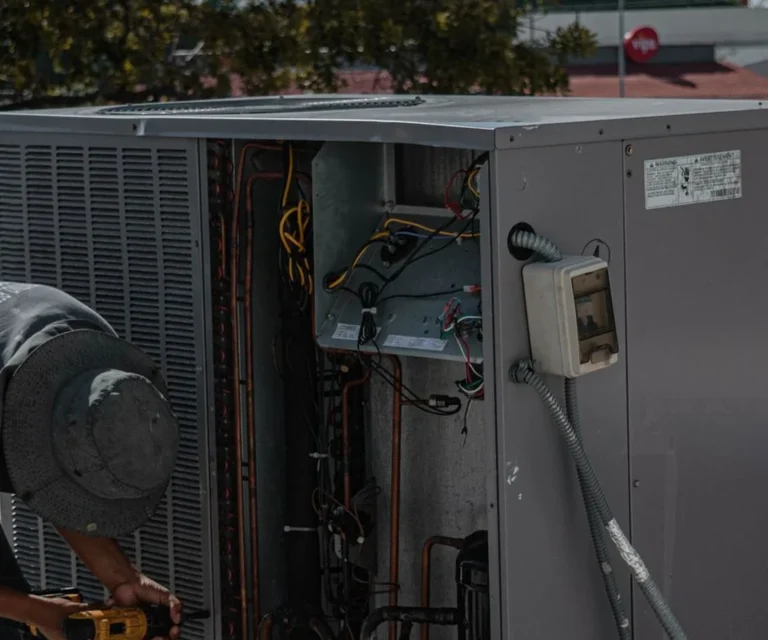
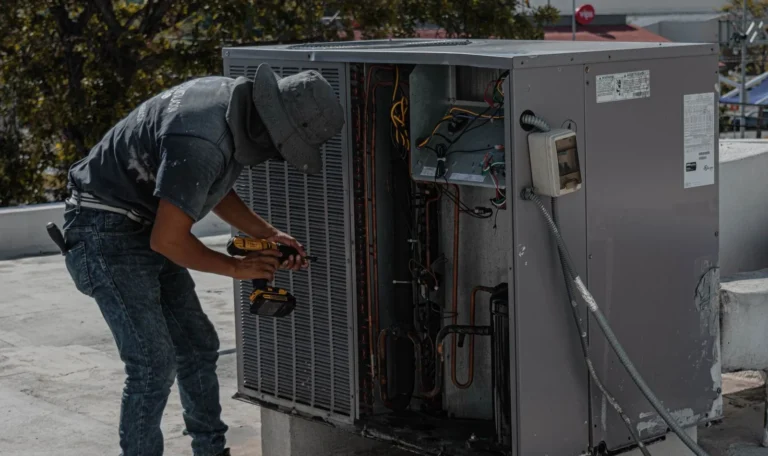
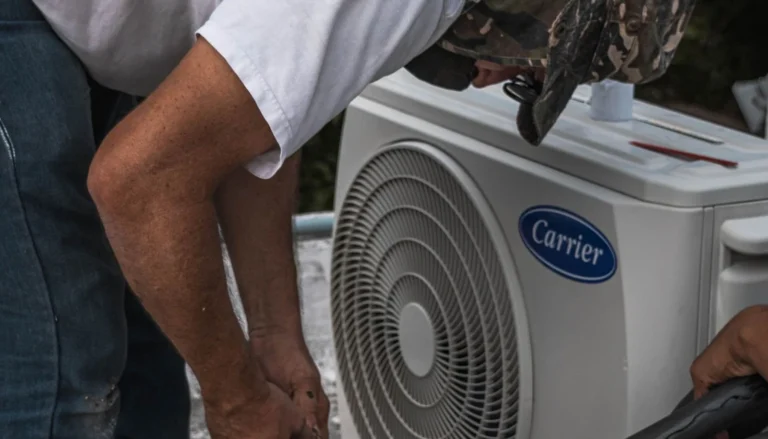
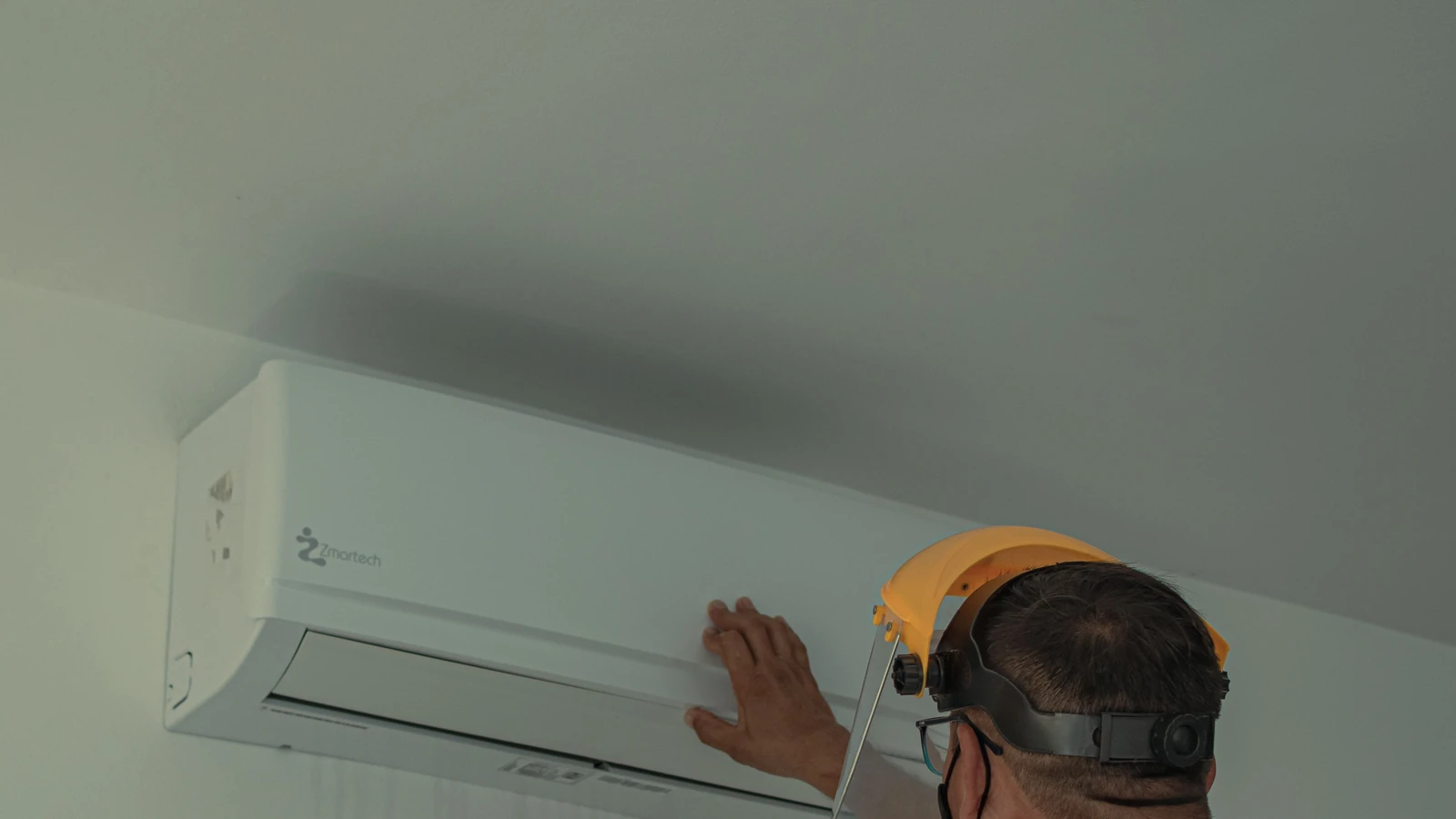
A mini-split has the same two halves as a regular AC — an outdoor unit and an indoor unit — but skips the ductwork. The indoor unit (called a “head”) mounts high on the wall of the room it cools, and a slim set of lines connects it to the outdoor unit through a small hole in the wall. One outdoor unit can run one head (single-zone) or several (multi-zone), and each head has its own thermostat, so you cool only the rooms you are using. Modern systems use newer refrigerants like R-32 and adjust their speed up and down instead of slamming on and off, which is part of why they sip electricity compared to older equipment.
Where Mini-Splits Make the Most Sense in Mobile
- Historic Midtown homes: many older Mobile houses were built without ducts, and adding ductwork means tearing into plaster walls and original woodwork. A mini-split cools the house while leaving all of it untouched.
- Additions and enclosed porches: extending ducts into a new room often leaves it under-cooled anyway. A dedicated head is sized for that room alone.
- Garages and workshops: a converted garage or a workshop you actually spend time in becomes usable through a 91°F Mobile July.
- Sunrooms: glass rooms cook in the afternoon sun and are the hardest spaces for central air to keep up with.
- One stubborn hot room: the upstairs bedroom or the room over the garage that is always 5 degrees warmer. One head fixes the one problem instead of replacing a whole system.
Can one mini-split cool my whole house?
It depends on the house. A single-zone unit cools one space well. Whole-house coverage means multi-zone — several heads on one or more outdoor units — and at that point you should compare it honestly against central air, because the cost can approach a full central replacement. For smaller homes and open layouts, multi-zone mini-splits do the whole job happily. For a large house with good existing ducts, central usually wins.
Mini-Split vs. Central Air: The Honest Trade-Offs
Where mini-splits win
- No duct losses: ducted systems lose cooled air through leaky ducts in hot attics. A mini-split delivers the air in the room, full stop.
- Room-by-room control: cool the bedrooms at night, the living room by day, and quit paying to cool empty rooms.
- Fast, clean install: no duct construction means most single-zone installs are done without major disruption to the house.
Where central air still wins
- Whole-house cost: if your ducts are already in good shape, central air covering every room is often the simpler, cheaper answer per room.
- Looks: the indoor head is visible on the wall. Some people never notice it; some people cannot unsee it.
- One system to maintain: every head has its own filter to keep up with (more on that below).

What Does a Mini-Split Cost in Mobile?
Honest framing, because mini-split quotes are all over the map: a single-zone system generally costs less than a full central replacement — and central replacements in Mobile run $5,000–$12,000+. A multi-zone system can approach that range as you add heads. The real price depends on how many rooms, the size of the equipment, and the electrical work involved, which is why we will not throw a number at you sight unseen — any contractor who does is guessing with your money. What we do, on every install we quote, is one flat price in writing before work starts. Our AC installation page explains how we size and quote new systems, and the AC repair cost guide shows the replacement ranges for comparison.
Do mini-splits handle Mobile’s humidity?
A correctly sized mini-split dehumidifies well — its variable-speed operation runs longer, gentler cycles that pull more moisture from the air than a system that blasts and shuts off. The catch is the same as with any AC: oversize the unit and it short-cycles, cooling fast but leaving the air clammy. Sizing the head to the actual room is what makes it work in Gulf humidity.
Maintenance: Simple, But Not Zero
Each indoor head has a washable filter — pull it out, rinse it, let it dry, put it back. In a Mobile summer, that is a monthly habit worth having. The coils still collect grime over time and the drain lines can clog just like a central system, so a periodic professional tune-up ($100–$200) still applies. The technology is different; the physics of dirt and water are not.
Frequently Asked Questions
What is a ductless mini-split?
An air conditioner with an outdoor unit and one or more wall-mounted indoor heads, connected by slim lines instead of ductwork. Each head cools its own room with its own thermostat, so you only cool the spaces you use.
How much does a mini-split cost in Mobile, AL?
A single-zone system generally costs less than a full central replacement, which runs $5,000-$12,000+ in Mobile. A multi-zone system can approach that range as heads are added. The exact price depends on rooms, equipment size, and electrical work — we quote one flat price in writing.
Is a mini-split better than central air?
For homes without ducts, additions, garages, and single hot rooms, usually yes. For a larger home with good existing ducts, central air is often the simpler, cheaper answer per room. It depends on the house, not the hype.
How do I maintain a ductless mini-split?
Rinse each head’s washable filter about once a month during cooling season, keep the outdoor unit clear of debris, and schedule a periodic professional tune-up ($100-$200) so coils and drain lines stay clean.