How Much Does an AC Tune-Up Cost in Mobile, AL?
How Much Does an AC Tune-Up Cost in Mobile, AL?
A real tune-up runs $100–$200 — and a real one is a 21-point inspection, not a five-minute hose-down. Here is what you should actually get for the money.
📞 +1 (251) 205-8786Somewhere in Mobile right now, a company is advertising a “$29 tune-up.” And somewhere else, a homeowner is about to pay $600 for a capacitor that died in a heat wave — a part a real tune-up would have flagged months earlier.
A tune-up is the most boring purchase in homeownership and one of the most valuable — if it is a real one. Mobile’s cooling season runs March through October, and your system works harder in those eight months than equipment in most of the country works all year. Here is what a proper tune-up costs here, what it includes, and how to spot the fake cheap version.
What a Tune-Up Costs in Mobile, AL
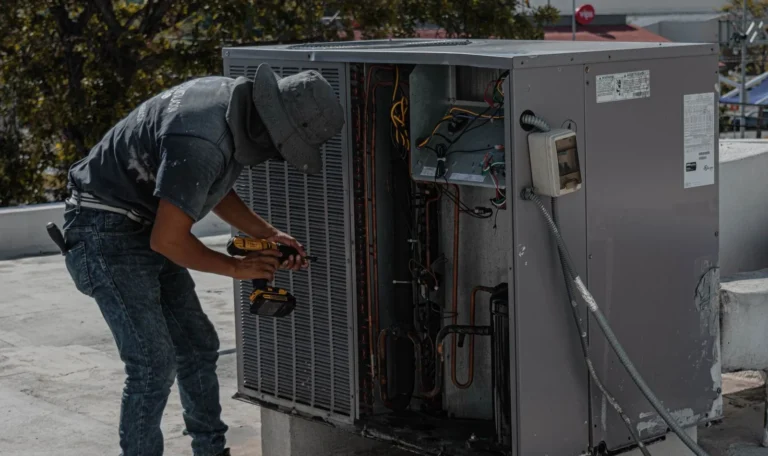
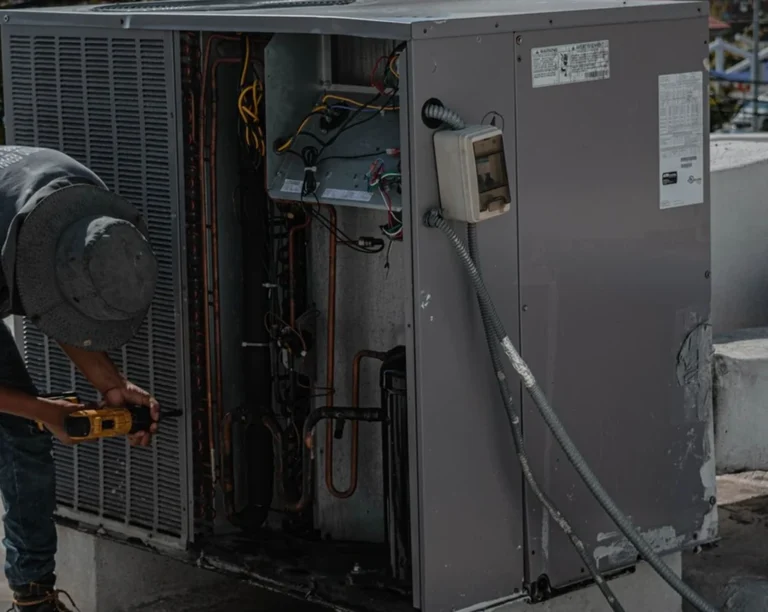
A legitimate, full AC tune-up in Mobile runs $100–$200. That price covers a technician’s time to work through a complete inspection checklist on a system that is currently running — not a sales visit wearing a tune-up costume. What it finds can still cost extra to fix, of course, but you get the findings in writing with one flat price per item, and you decide what gets done.
What does it buy you? A well-maintained system runs the way it was designed to — and tune-ups can cut cooling energy use enough to lower bills by 20–40% versus a neglected, dirty, struggling system. On a Mobile summer power bill, that alone can pay for the visit. Our AC maintenance page shows the full maintenance picture.
What a Real 21-Point Tune-Up Includes
“21-point” should mean a written checklist, not a slogan. The visit should cover, at minimum:
- Capacitor testing: measuring the capacitor against its rating — a weakening one is the #1 cause of peak-summer breakdowns, and catching it early is a $150–$300 planned swap instead of an emergency.
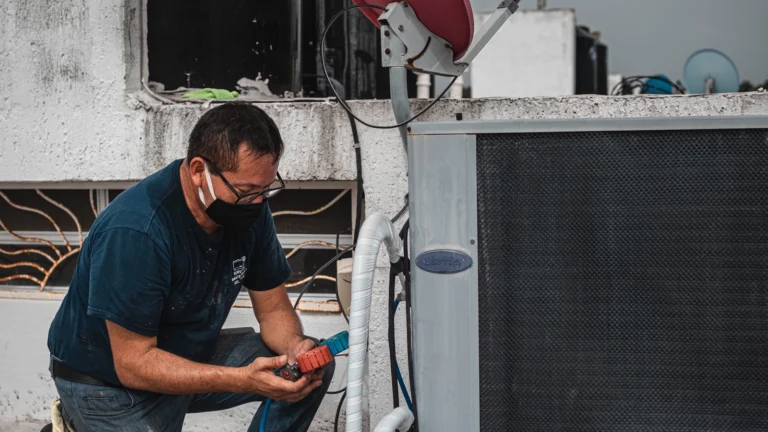
- Refrigerant check: pressures and temperatures verified; low readings mean a leak hunt, not a top-off.
- Coil cleaning: the outdoor coil rinsed and the indoor coil inspected — dirty coils are where efficiency goes to die.
- Drain line flush: the condensate drain cleared and flushed, so you do not meet it later as a $100–$200 clog with water where water should never be.
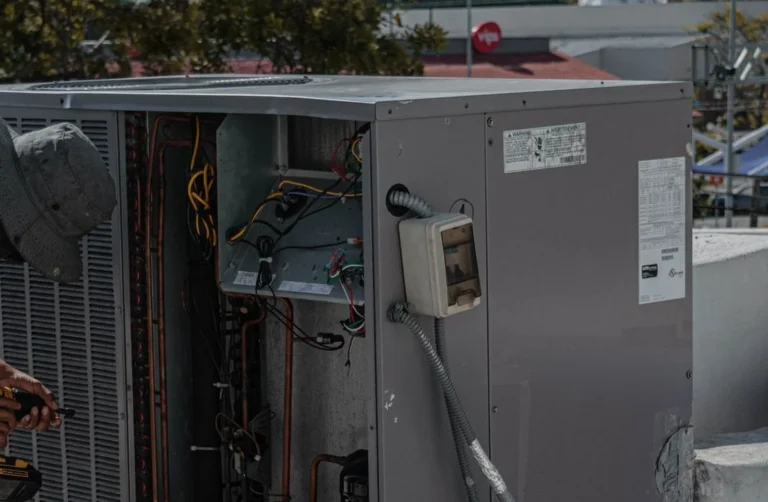
- Electrical inspection: contactor, wiring, and connections checked for wear and heat damage.
- Airflow and filter: blower inspected, airflow verified, filter checked and replaced if you have one on hand.
- Thermostat calibration: confirmed it reads the real temperature and cycles the system correctly.
- Full system run test: the system run through a complete cycle, with temperature drop measured at the vents.
That is the heart of it — plus the remaining points on the full written list, which you should get a copy of when the visit is done.
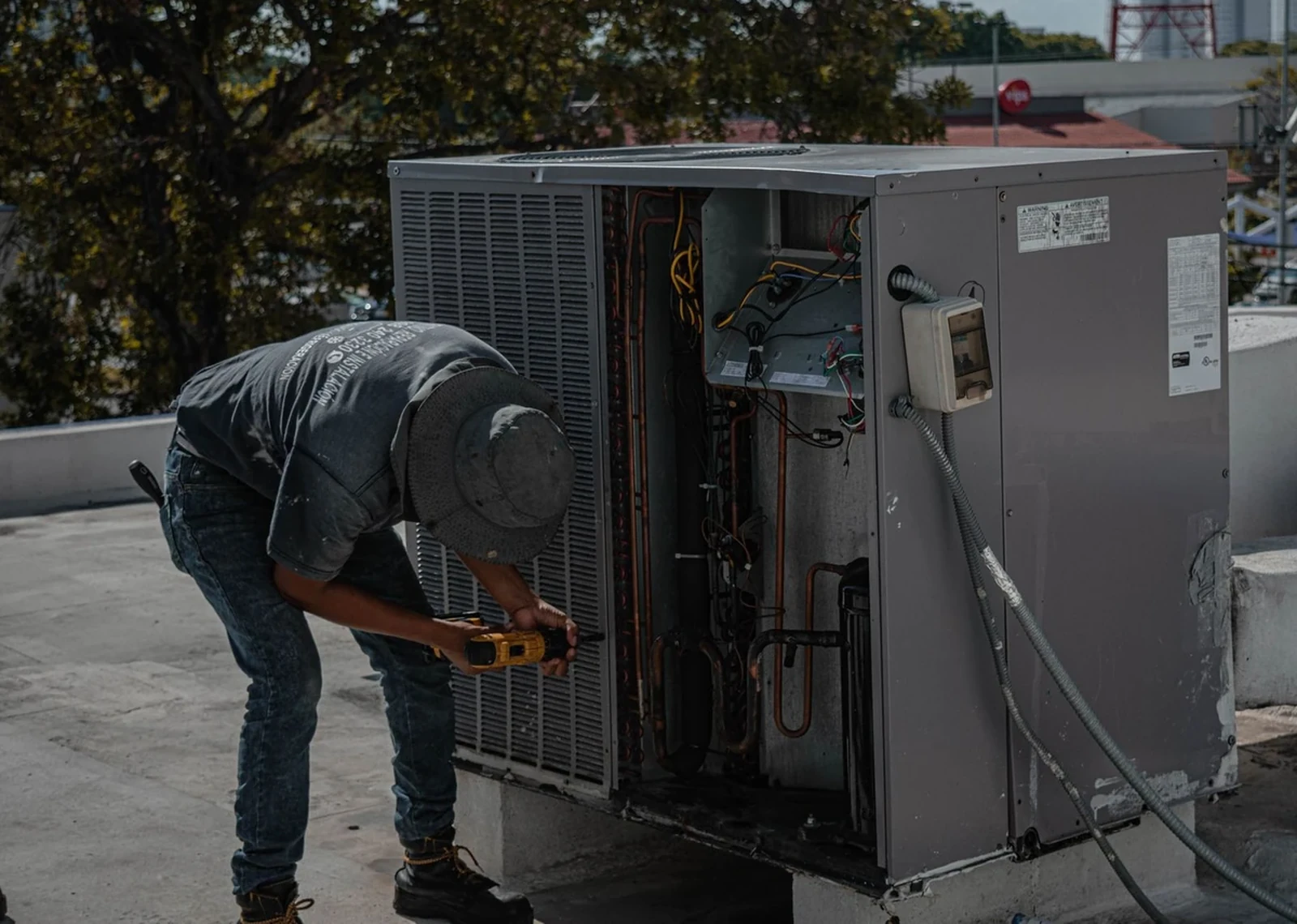
Tune-Up vs. Diagnostic Visit: Not the Same Thing
These two get confused constantly, so here is the plain version:
- Tune-up ($100–$200): your system works, and you are paying to keep it that way — inspection, cleaning, testing, and a heads-up on parts wearing out.
- Diagnostic visit ($100–$200): your system is already broken — blowing warm air, not starting, leaking water — and you are paying to find out exactly what failed and what the repair costs.
Same ballpark price, completely different job. Booking a “tune-up” for a dead system does not save money — it just delays the repair. And a company that turns every tune-up into a repair quote without showing you the failed part is telling you something about itself. Our AC repair cost guide for Mobile lays out the repair prices a diagnostic might lead to.
Do I need a tune-up if my AC is working fine?
Working fine today is exactly when a tune-up pays. The parts that ruin a July weekend — capacitors, contactors, drain lines — almost never fail without warning signs first. They fail silently, measurably, months ahead of time. A tune-up is how you meet those problems in April, on your schedule, at regular prices, instead of during a heat wave at emergency pace.
When to Book: Spring First, Fall Second
Spring is the main event. Book before the season starts — late winter into early spring — so worn parts get swapped before the first 90° week and before every technician in Mobile is booked solid. A fall check after the season is the second-best habit: it catches the wear the summer caused and makes sure the system is ready to sit — or to heat — through winter. One visit a year is the minimum for a system that works as hard as Gulf Coast systems do.
What are the red flags of a fake cheap tune-up?
A price far below $100 is not a bargain — it is a loss leader, and the loss gets made up somewhere. Watch for: the visit lasts 15 minutes, there is no written checklist or measurements, the capacitor is never tested, the drain is never flushed, and somehow a perfectly running system “needs” $900 in parts today only. A real tune-up produces paperwork — readings, findings, honest timelines (“this capacitor has a season or two left”). Pressure is the tell that you bought a sales call.
Frequently Asked Questions
How much does an AC tune-up cost in Mobile, AL?
A real, full tune-up runs $100-$200. That covers a complete 21-point inspection and cleaning on a working system. Anything far below that price is usually a sales visit, not a tune-up.
What does a 21-point AC tune-up include?
The key items: capacitor testing, refrigerant pressure checks, coil cleaning, a condensate drain flush, electrical and contactor inspection, airflow and blower checks, thermostat calibration, and a full run test — with written findings when the visit is done.
What is the difference between a tune-up and a diagnostic visit?
A tune-up ($100-$200) maintains a system that is working. A diagnostic visit ($100-$200) finds the fault in a system that is already broken. Booking a tune-up for a dead AC does not save money — it delays the repair.
When is the best time to book an AC tune-up?
In spring, before Mobile’s March-through-October cooling season gets going, so worn parts are replaced before the first heat wave. A fall check after the season is the second-best habit. Once a year is the minimum here.